
Choosing the right welding school is one of the most important decisions you’ll make if you’re planning to build a successful career in the skilled trades. With the growing demand for certified welders in industries such as construction, manufacturing, energy, and pipeline work, quality training can make a significant difference in your future job opportunities.
Not all welding schools offer the same level of instruction, equipment, or career support. Understanding what to look for before enrolling will help you invest in an education that prepares you for long-term success.
Define Your Career Goals First
Before comparing welding programs, think about the type of welding career you want to pursue. Different industries require different welding processes and certifications.
Ask yourself questions such as:
- Do you want to work in construction or structural steel?
- Are you interested in pipeline welding?
- Would you like to specialize in TIG welding or pipe welding?
- Do you plan to earn industry-recognized welding certifications?
Knowing your goals will help you select a welding training program that matches your career path.
Look for Hands-On Welding Training
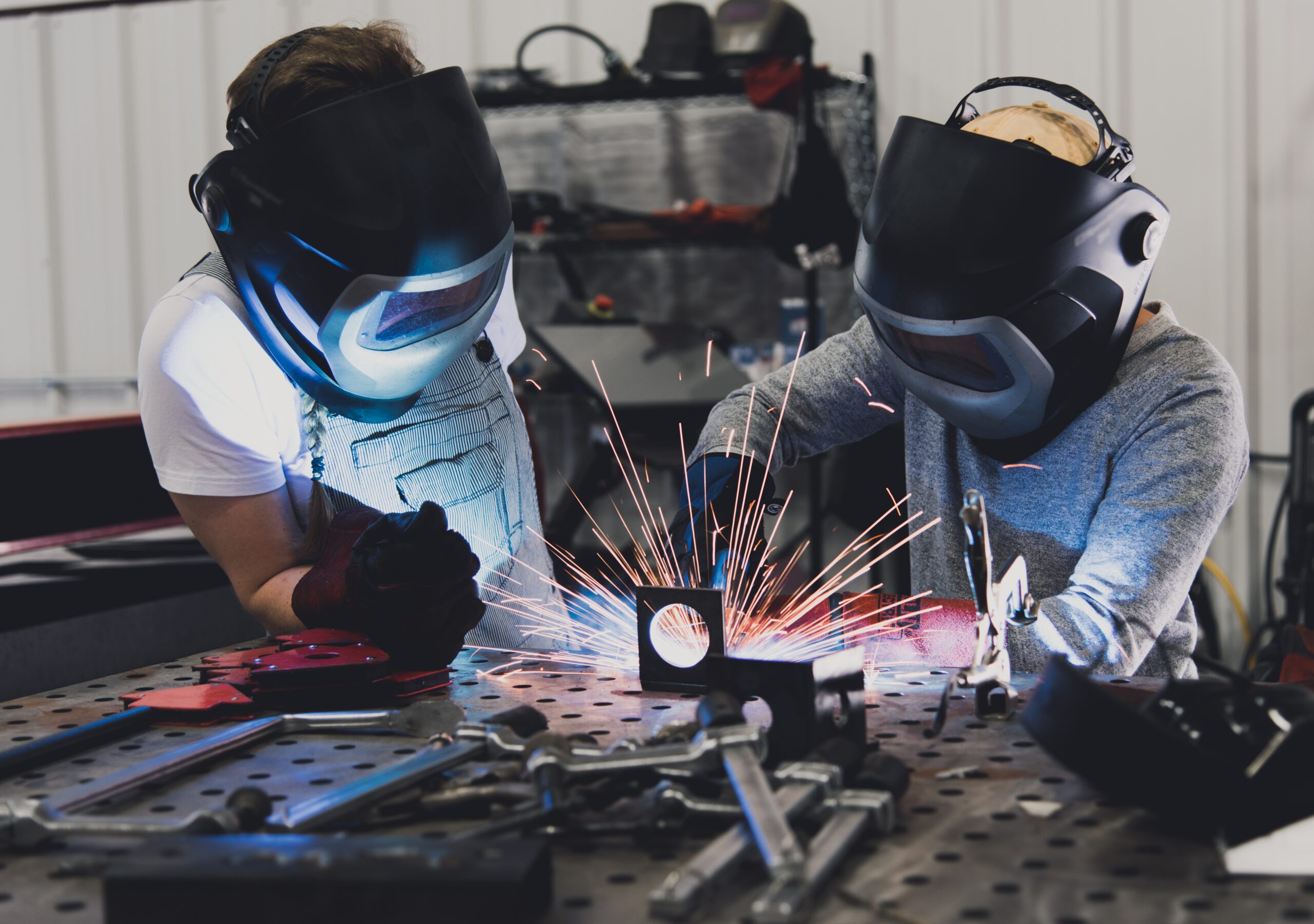
The best welding schools focus on practical experience rather than just classroom instruction. Welding is a skill that improves through repetition, so students should spend plenty of time working with real equipment in a professional shop environment.
Hands-on welding training allows you to:
- Build confidence using industry-standard equipment.
- Practice multiple welding techniques.
- Learn proper safety procedures.
- Improve weld quality under instructor supervision.
- Develop the skills employers expect from entry-level welders.
The more time you spend welding during training, the better prepared you’ll be for the workforce.
Choose a School That Offers Multiple Welding Processes
A well-rounded education should expose students to several welding methods. Learning multiple processes makes you more valuable to employers and expands your career opportunities.
Look for programs that include training in:
- Shielded Metal Arc Welding (SMAW)
- Gas Tungsten Arc Welding (GTAW/TIG)
- Plate Welding
- Pipe Welding
- Combination Welding
- Pipeline Fabrication
Developing proficiency in several techniques gives you the flexibility to work across different industries and projects.
Verify the Quality of the Equipment and Facilities
Modern welding technology continues to evolve, and employers expect graduates to be familiar with current equipment.
When visiting a welding school, pay attention to:
- Clean and organized welding booths.
- Professional-grade welding machines.
- Proper ventilation systems.
- Updated safety equipment.
- Adequate workspace for students.
Training with equipment similar to what you’ll encounter on the job helps ease the transition into the workforce.
Consider Instructor Experience
Experienced instructors bring valuable real-world knowledge into the classroom. They can teach not only welding techniques but also the expectations of working in the field.
Qualified instructors should have:
- Extensive industry experience.
- Knowledge of current welding standards.
- Strong safety practices.
- The ability to provide one-on-one guidance.
- Experience preparing students for welding certifications.
Learning from professionals who have worked in the industry gives students practical insights that go beyond textbooks.
Review Certification Preparation
Many employers prefer or require certified welders. Choosing a welding school that prepares students for certification testing can give you a competitive advantage during your job search.
Certification-focused programs help students:
- Understand industry welding standards.
- Practice qualification welds.
- Improve consistency and precision.
- Build confidence before certification exams.
Certification demonstrates your abilities and can open doors to higher-paying positions.
Ask About Class Schedules and Flexibility
Many welding students balance school with work or family responsibilities. Flexible scheduling can make completing your training much easier.
Look for schools that offer:
- Day classes.
- Evening classes.
- Flexible enrollment dates.
- Programs that accommodate working adults.
A schedule that fits your lifestyle increases your chances of successfully completing your training.
Explore Career Support Services
A quality welding school should continue supporting students after graduation. Career assistance can help you transition into your first welding position more quickly.
Useful services include:
- Resume assistance.
- Interview preparation.
- Employer connections.
- Job placement guidance.
- Networking opportunities within the welding industry.
Strong industry relationships often help graduates connect with employers seeking skilled welders.
Compare Tuition and Financial Assistance
Cost is an important consideration, but it shouldn’t be the only factor when choosing a welding school. A lower tuition price may not provide the same quality of education or career preparation.
When comparing schools, consider:
- Total program cost.
- Available payment plans.
- Financial assistance options.
- Value of hands-on training.
- Career placement support after graduation.
Investing in quality education often leads to better long-term earning potential.
Visit the Campus Before Enrolling
If possible, schedule a visit before making your final decision. Touring the campus allows you to see the facilities firsthand and ask questions about the program.
During your visit, observe:
- Student-to-instructor interaction.
- Safety practices.
- Equipment condition.
- Shop organization.
- Overall learning environment.
A campus visit can help you determine whether the school is the right fit for your learning style and career goals.
Start Building Your Welding Career with Confidence
Finding the best welding school involves more than comparing tuition or class schedules. The right program should provide hands-on welding training, experienced instructors, modern equipment, certification preparation, and career support that helps students succeed after graduation.
Whether you’re beginning a new career or looking to expand your skills, choosing a welding school that aligns with your professional goals is the first step toward becoming a confident, highly skilled welder. By investing in quality education today, you’ll be better prepared for the opportunities waiting in one of the nation’s most in-demand skilled trades.