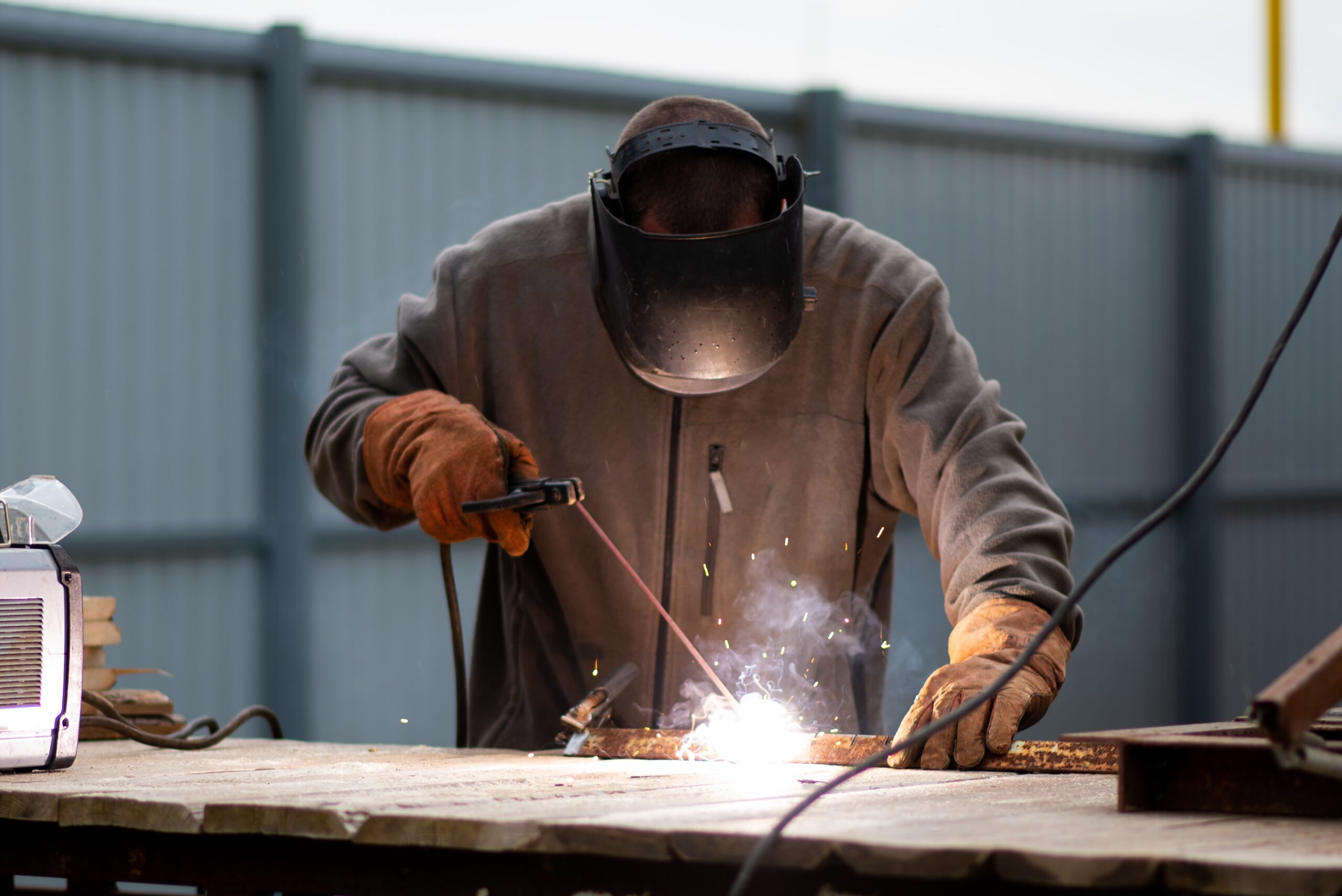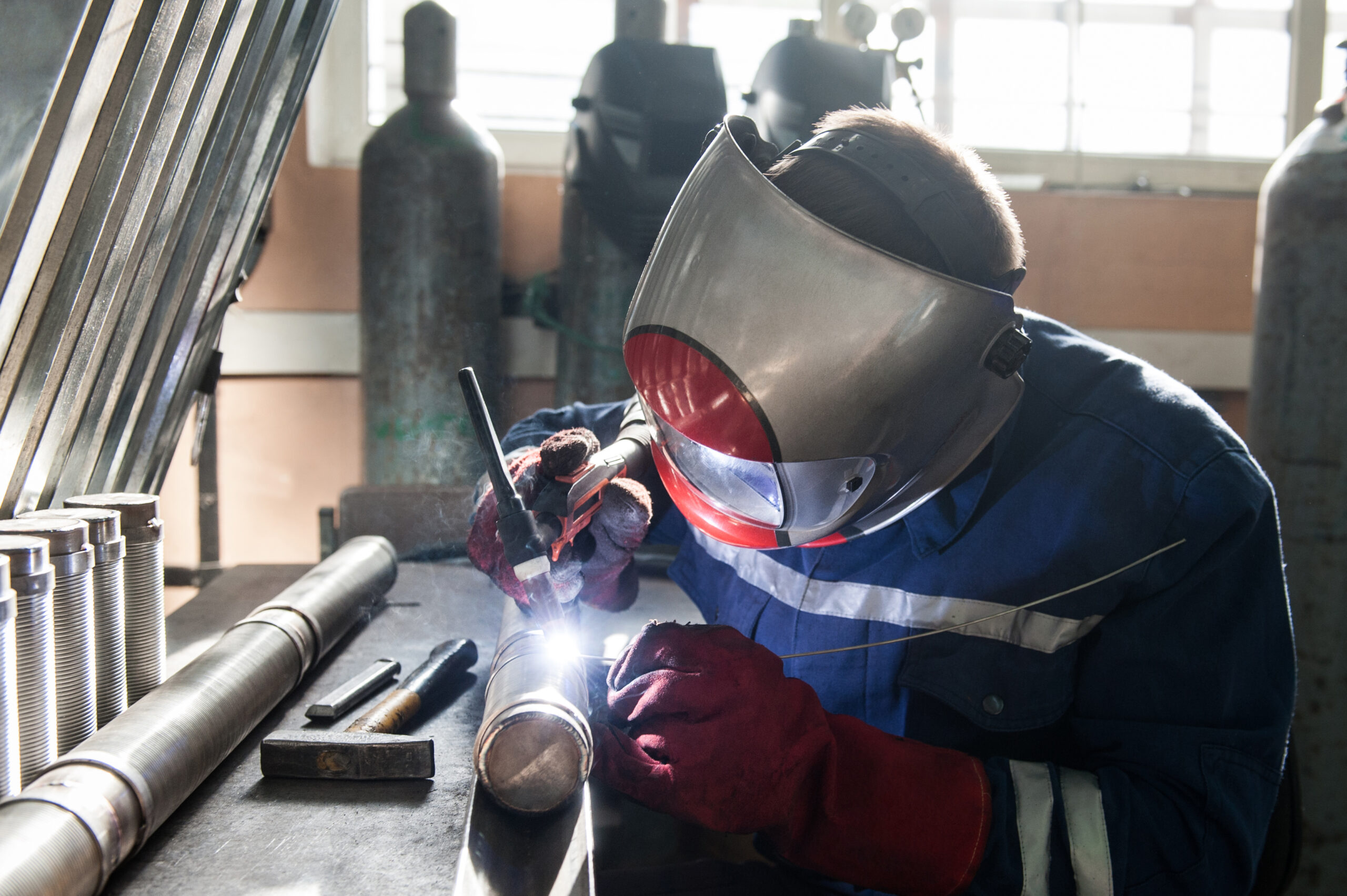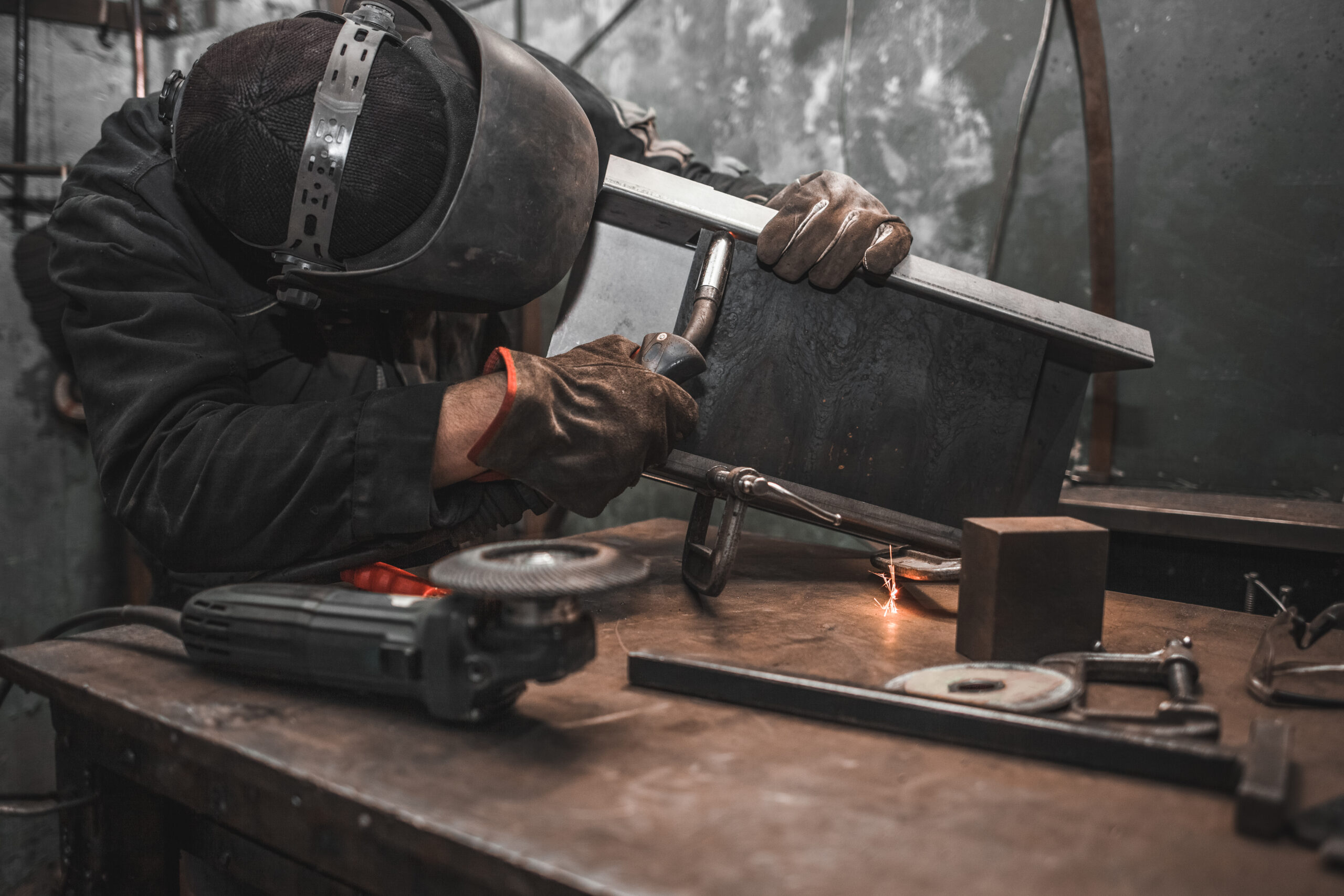
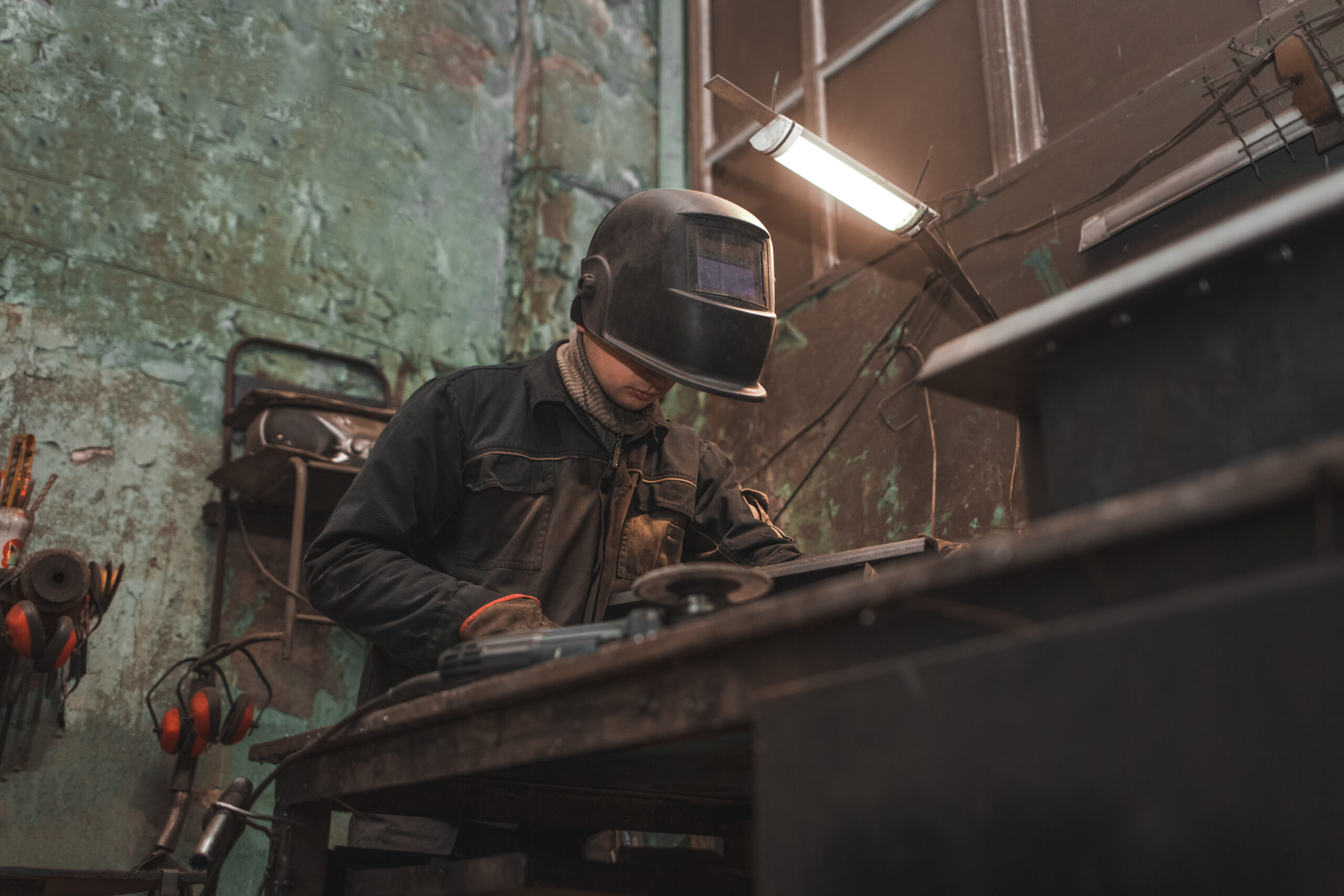
Becoming a welder can take anywhere from a few months to several years depending on the type of welding career you want, the training path you choose, and the certifications required for the jobs you plan to pursue. Some students complete an intensive welding training program and begin applying for entry-level positions within months, while others continue developing specialized skills in areas such as pipe welding, TIG welding, structural welding, or fabrication.
If you are considering welding school, understanding the different training options can help you choose a path that fits your career goals, schedule, and preferred type of work.
How Long Does Welding School Take?
Most welding school programs are designed to provide concentrated, hands-on training and can often be completed faster than a traditional college degree. Depending on the program, students may spend several months learning essential welding processes, safety procedures, equipment operation, blueprint reading, joint preparation, and practical welding techniques.
Program length can vary significantly based on how comprehensive the training is. A short introductory welding course may focus on basic techniques and safety, while a more advanced welding program may include multiple processes such as SMAW, GTAW, MIG welding, pipe welding, cutting, fabrication, and preparation for welding certification tests.
Students who attend welding classes full time may complete training faster than those who choose evening or part-time schedules.
Common Welding Training Paths
There is no single path to becoming a welder. The best option depends on how quickly you want to enter the workforce and what type of welding you want to perform.
Welding Trade School
A welding trade school is one of the most direct ways to develop practical welding skills. These programs typically emphasize hands-on training rather than general academic coursework.
Students may learn techniques such as:
- Shielded Metal Arc Welding, also known as SMAW or Stick welding
- Gas Tungsten Arc Welding, commonly known as GTAW or TIG welding
- MIG welding
- Pipe welding
- Structural welding
- Oxy-fuel cutting
- Welding safety
- Joint preparation
- Blueprint and welding symbol interpretation
The advantage of welding school is that students can practice regularly under the supervision of experienced instructors while preparing for real-world welding environments.
Apprenticeships
Welding apprenticeships combine classroom instruction with paid or supervised workplace training. Apprentices may work alongside experienced welders while gradually developing their skills.
Because apprenticeships include extensive on-the-job experience, they typically take longer than intensive welding school programs. However, they can be a valuable option for individuals who want to learn while gaining practical industry experience.
Community College Welding Programs
Some community colleges offer certificates or associate degrees in welding technology. Certificate programs may take less than a year, while associate degree programs typically take longer because they include additional academic coursework.
This path may be appropriate for students who want both technical welding instruction and a broader college education.
Learning on the Job
Some employers provide entry-level training for workers with limited welding experience. However, entering the industry without formal welding training can make it more difficult to qualify for jobs that require specific processes, positions, or certifications.
Formal training can help new welders develop correct techniques before entering a production or construction environment.
How Long Does It Take to Learn Basic Welding?
Students can learn basic welding concepts relatively quickly, but becoming consistent and job-ready requires repeated practice.
During the first stages of training, students usually learn how to set up equipment, select electrodes or filler materials, maintain proper travel speed, control the welding arc, and recognize common weld defects.
Developing strong welds in basic positions may take weeks or months of practice. More advanced positions and processes, such as vertical welding, overhead welding, TIG pipe welding, or 6G pipe welding, typically require significantly more practice.
Welding is a skill-based trade, which means the amount of time spent practicing is often just as important as the number of weeks spent in a classroom.
How Long Does It Take to Become a Certified Welder?
There is no universal certification required for every welding job. Certification requirements depend on the employer, industry, welding process, material, position, and applicable welding code.
Some students prepare for welding certification tests as part of their training program. Once a student has developed the necessary skills, the actual qualification test may only take a few hours, but reaching the level required to pass can take weeks or months of practice.
For example, a beginner may first develop skills in flat and horizontal welding positions before moving into more difficult vertical, overhead, or pipe welding positions.
Employers may also require welders to complete additional qualification tests after being hired.
How Long Does It Take to Learn Stick Welding?
Stick welding, or Shielded Metal Arc Welding, is commonly taught in welding programs because it is widely used in construction, structural welding, pipeline work, maintenance, and industrial environments.
Students can often learn the basic principles of Stick welding relatively quickly, but producing consistent welds in multiple positions requires practice.
Training may include working with commonly used electrodes such as E6010 and E7018, learning proper arc length, controlling travel speed, recognizing slag inclusions, and practicing different joint configurations.
Students interested in pipe welding often spend additional time developing Stick welding skills because SMAW is frequently used for pipe root passes, fill passes, and cap passes.
How Long Does It Take to Learn TIG Welding?
TIG welding generally requires greater control and coordination than some other welding processes because the welder must control the torch, filler material, and sometimes a foot pedal at the same time.
Students typically begin by practicing basic TIG techniques on plate before progressing to more complex joints and pipe configurations.
Learning the fundamentals may take several weeks, but becoming proficient enough for specialized TIG welding jobs can require months of focused training.
TIG welding is frequently used in industries where precision and weld quality are especially important.
How Long Does Pipe Welding Training Take?
Pipe welding is considered one of the more advanced areas of welding because the welder must maintain consistent penetration and bead control while welding around a curved surface.
Students may begin practicing pipe in easier positions such as 1G before progressing to more difficult positions such as 2G, 5G, and 6G.
The 6G welding position is particularly challenging because the pipe is fixed at an angle, requiring the welder to work through multiple welding positions during the same weld.
Because of the difficulty involved, students interested in becoming pipe welders should expect to spend additional time practicing compared with basic plate welding.
What Can Affect How Long Welding Training Takes?
Several factors determine how quickly someone can become job-ready.
| Factor | How It Affects Training Time |
|---|---|
| Training schedule | Full-time students may progress faster than part-time students |
| Welding process | Basic plate welding may be learned faster than advanced TIG or pipe welding |
| Practice time | More hands-on practice generally improves skill development |
| Career goals | Specialized welding careers require additional training |
| Certification requirements | Certain jobs require specific welding qualification tests |
| Previous experience | Students with mechanical or welding experience may progress faster |
The most important factor is consistent practice. Welding requires muscle memory, coordination, technique, and the ability to recognize and correct problems during the welding process.
What Should You Expect During Welding School?
A quality welding training program should include significant hands-on practice in addition to classroom instruction.
Students may begin by learning workplace safety, welding equipment, electrical principles, welding terminology, and basic joint configurations. As training progresses, they typically spend more time practicing welding techniques in different positions.
Depending on the program, students may also learn how to:
- Read welding symbols and blueprints
- Prepare metal for welding
- Select appropriate electrodes and filler materials
- Set welding machine amperage and other parameters
- Inspect welds for common defects
- Perform cutting and metal preparation
- Weld plate and pipe in multiple positions
- Prepare for employer or industry qualification tests
Hands-on training is especially important because employers usually expect welders to demonstrate their skills rather than simply describe their knowledge.
Can You Become a Welder With No Experience?
Yes. Many welding students begin training without previous welding experience.
Entry-level welding programs are usually structured to teach students the fundamentals before introducing more advanced techniques. Students may begin by practicing basic beads on plate and gradually progress to joints, multiple welding positions, different processes, and more advanced projects.
Mechanical experience can be helpful, but it is not necessarily required to start welding training.
What matters most is the willingness to practice, follow safety procedures, accept instructor feedback, and continue improving technique.
How Soon Can You Start Working After Welding School?
Some students begin applying for welding jobs shortly after completing their training, while others continue practicing or pursuing additional certifications.
Entry-level opportunities may include positions in fabrication shops, construction, manufacturing, maintenance, structural welding, and other industrial environments.
Students who develop specialized skills such as pipe welding, TIG welding, or combination welding may pursue additional opportunities that require more advanced qualifications.
Employers may ask applicants to complete a welding test before hiring them, so maintaining welding skills after completing school is important.
Is Welding a Good Career to Learn Quickly?
Welding can offer a relatively direct path into a skilled trade because students can develop practical, job-focused skills without completing a traditional four-year degree.
However, becoming a successful welder involves more than completing a training program. Welders must continue improving their technique, learning new processes, understanding different materials, and adapting to employer requirements.
A student may learn the fundamentals of welding within months, but experienced welders continue developing their skills throughout their careers.
Choosing the Right Welding Training Program
When comparing welding schools, look beyond the program length. A shorter program is not automatically better if it does not provide enough hands-on welding time.
Consider whether the program offers:
- Extensive hands-on welding practice
- Training in multiple welding processes
- Experienced welding instructors
- Modern welding equipment
- Pipe and structural welding opportunities
- Flexible class schedules
- Preparation for welding qualification tests
- Career-focused instruction
The goal should be to complete training with practical skills that can be demonstrated in a real welding environment.
How Long Does It Take to Become a Welder?
For many students, basic welding training can be completed within several months, but the full timeline depends on the career path they choose. Specialized skills such as TIG welding, pipe welding, combination welding, and advanced welding positions may require additional training and practice.
Rather than focusing only on how quickly you can finish welding school, consider how much hands-on experience you will receive and whether the program teaches the welding processes required for the jobs you want.
A strong welding training program can help you build practical skills, prepare for welding qualification tests, and develop the confidence needed to pursue opportunities in the welding industry.