If you’re considering a career in welding, you’ve probably heard terms like MIG, TIG, and Stick welding. These are three of the most common welding processes used across industries, and each offers unique advantages depending on the type of work being performed.
One of the most common questions future welders ask is, “Which welding process should I learn first?” The answer depends on your career goals, but understanding the differences between each method can help you make the right decision.
What Is MIG Welding?
MIG welding, also known as Gas Metal Arc Welding (GMAW), is often considered the easiest welding process for beginners to learn.
This process uses a continuously fed wire electrode along with a shielding gas to create clean, consistent welds. Because the wire feeds automatically, students can focus more on controlling the weld puddle and travel speed rather than manually feeding filler material.
MIG welding is commonly used in:
- Automotive manufacturing
- Metal fabrication
- Construction
- General manufacturing
- Repair shops
Many welding schools introduce students to MIG welding first because it allows them to build confidence while learning the fundamentals of welding safety, equipment setup, and weld quality.
What Is TIG Welding?
TIG welding, or Gas Tungsten Arc Welding (GTAW), is known for producing some of the highest-quality welds available.
Unlike MIG welding, TIG requires the welder to control the torch with one hand while manually feeding filler rod with the other. This level of precision makes it more challenging but also highly rewarding.
TIG welding is commonly used for:
- Aerospace manufacturing
- Food-grade stainless steel fabrication
- Aluminum welding
- Precision fabrication
- Custom metalwork
Because TIG welding requires greater hand-eye coordination, most instructors recommend learning basic welding techniques before advancing to this process.
What Is Stick Welding?
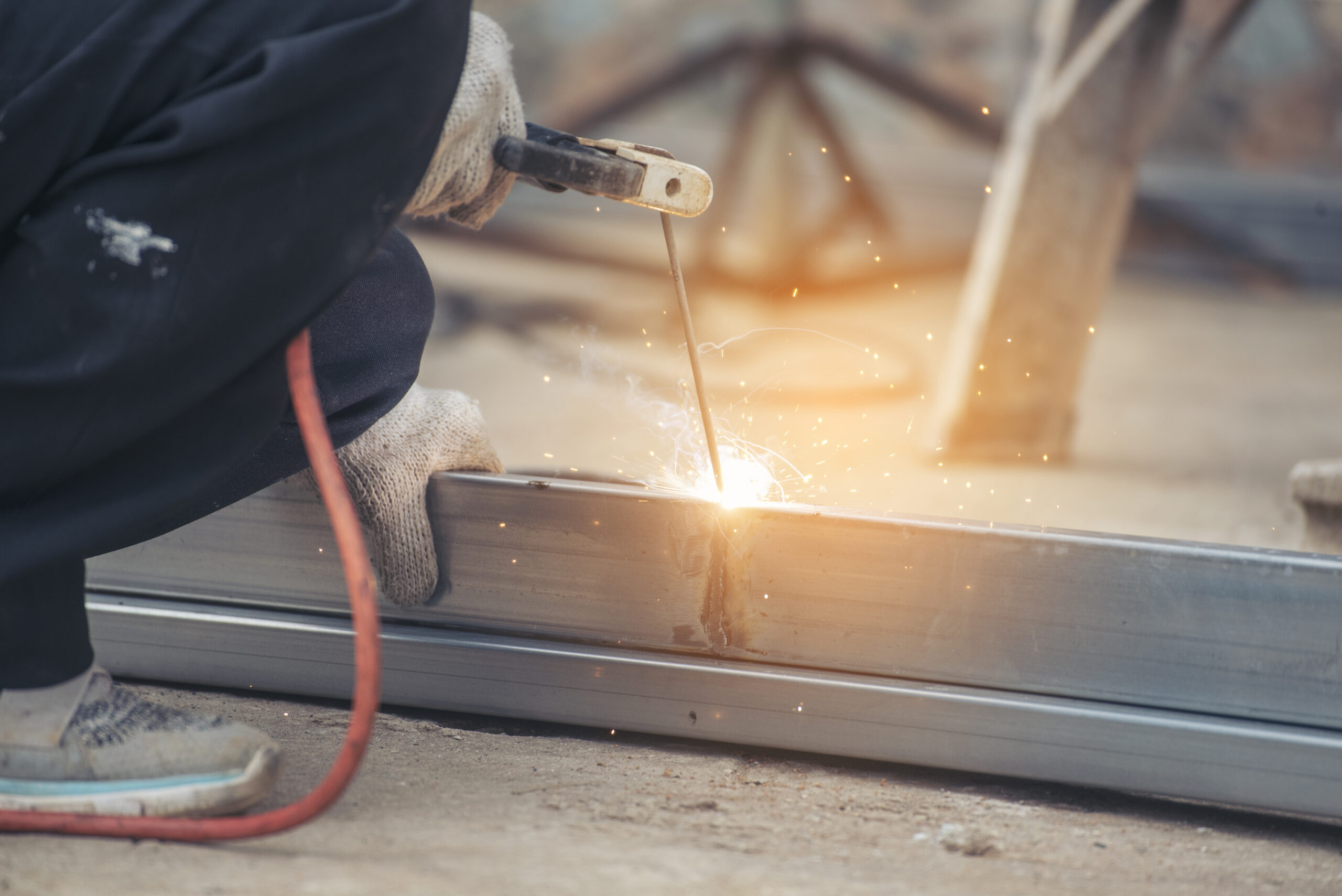
Stick welding, also called Shielded Metal Arc Welding (SMAW), remains one of the most widely used welding methods in heavy industry.
This process uses a consumable electrode coated with flux, eliminating the need for external shielding gas. Stick welding performs well outdoors and in harsh environments, making it a favorite for construction and pipeline projects.
Common applications include:
- Structural steel
- Bridge construction
- Pipeline welding
- Heavy equipment repair
- Industrial maintenance
- Shipbuilding
Although Stick welding can be slightly more difficult for beginners than MIG welding, it teaches valuable skills that employers highly value.
Which Welding Process Is Best for Beginners?
For most students, MIG welding is the best place to start.
Its simpler equipment setup, easier learning curve, and forgiving welding characteristics help beginners quickly understand welding fundamentals. Once students become comfortable with MIG welding, transitioning to Stick or TIG welding becomes much easier.
Learning welding in a structured training program allows students to develop confidence before progressing to more advanced techniques.
When Should You Learn Stick Welding?
After mastering basic welding skills, Stick welding is often the next logical step.
Many employers in Texas seek welders with SMAW experience because it is heavily used in construction, pipeline work, oil and gas, and industrial maintenance. Developing strong Stick welding skills can significantly expand your job opportunities.
Why Learn TIG Welding Later?
TIG welding requires patience, precision, and excellent coordination.
While beginners can certainly learn TIG first, most welding instructors recommend building a strong foundation with MIG or Stick welding before tackling TIG. Students who already understand puddle control, travel speed, and weld positioning usually learn TIG much faster.
Advanced TIG skills can also lead to specialized, higher-paying welding careers.
Can You Learn All Three Welding Processes?
Absolutely.
Professional welding schools typically expose students to multiple welding processes throughout their training. Learning MIG, TIG, and Stick welding makes graduates more versatile and attractive to employers across different industries.
Many welding certification programs include hands-on experience with each process so students can discover which type of welding best matches their interests and career goals.
Which Welding Process Pays the Most?
Salary depends more on your skill level, certifications, and industry than the welding process itself. However, experienced TIG welders and certified pipe welders often earn higher wages because their work requires greater precision and specialized knowledge.
Welders who can perform multiple welding processes generally enjoy more job opportunities and greater earning potential throughout their careers.
Choosing the Right Welding School
The best welding schools don’t just teach one process—they provide comprehensive hands-on welding training that prepares students for real-world jobs.
Look for a welding training program that offers:
- Hands-on shop experience
- MIG, TIG, and Stick welding instruction
- Experienced welding instructors
- Modern welding equipment
- Industry-recognized welding certifications
- Career placement assistance
Learning from experienced professionals allows students to develop the technical skills and confidence needed to succeed in today’s welding industry.
Start Building Your Welding Career
If you’re wondering whether to start with MIG, TIG, or Stick welding, most beginners benefit from learning MIG welding first before expanding into more advanced processes. As your skills grow, mastering all three welding methods can open the door to exciting career opportunities in manufacturing, construction, pipeline welding, aerospace, and many other industries.
Choosing a welding school that offers comprehensive training in all major welding processes is one of the best investments you can make in your future as a professional welder.