
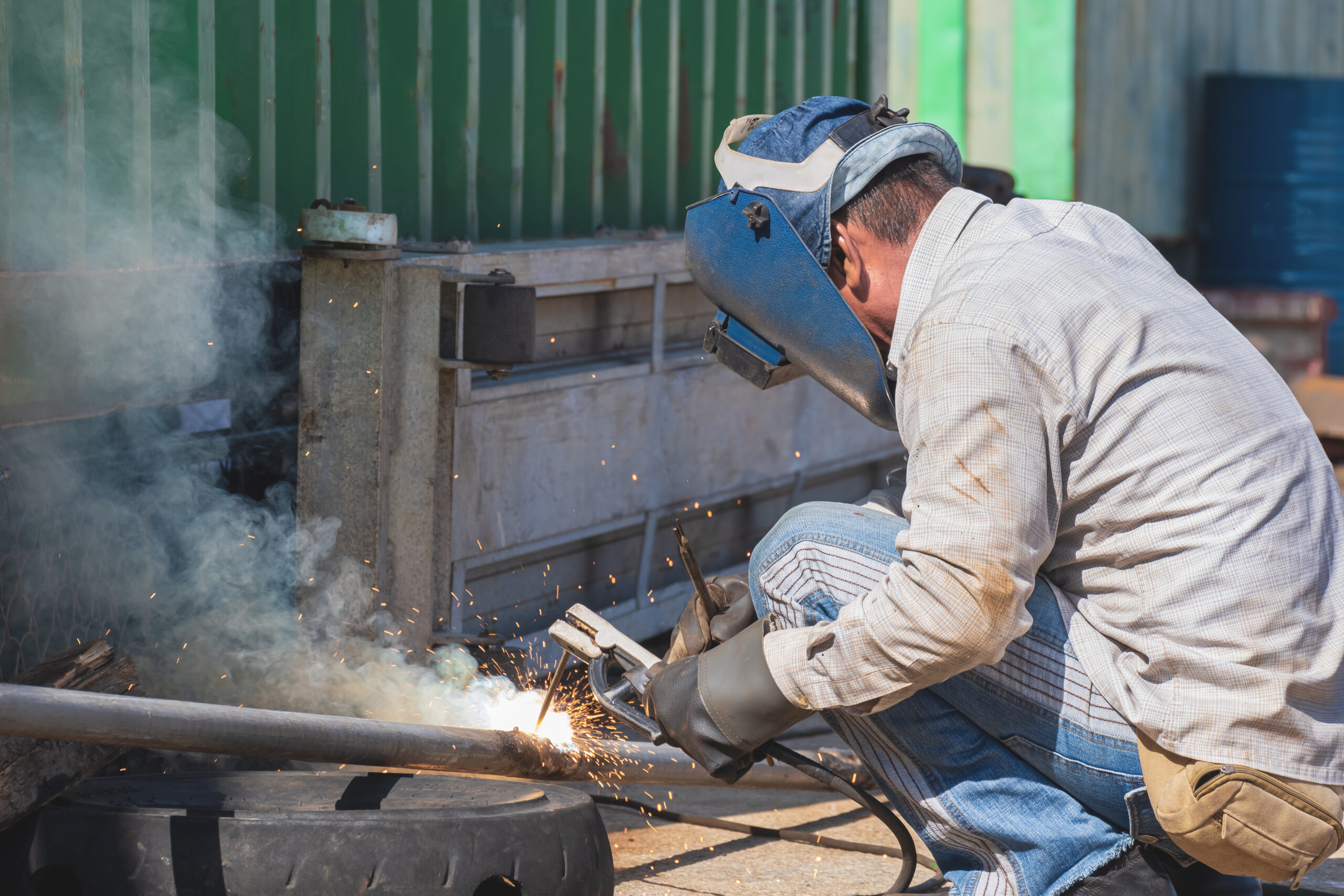
Starting welding school is an exciting step toward a rewarding career in the skilled trades. Whether you’re pursuing a welding certification to work in construction, manufacturing, pipeline welding, or metal fabrication, arriving prepared for your first day can help you build confidence and make the most of your training.
Knowing what to expect before classes begin will allow you to focus on learning new skills, meeting instructors, and becoming comfortable in the welding shop environment.
Understand What You’ll Learn
Your first days at welding school are designed to introduce you to the fundamentals of welding. Before you begin working with welding equipment, you’ll likely receive classroom instruction covering essential topics such as:
- Welding safety
- Shop procedures
- Personal protective equipment (PPE)
- Basic welding terminology
- Introduction to welding processes
- Equipment identification
Many programs also provide an overview of the certifications and career paths available after graduation.
Wear the Right Clothing
Safety begins with proper attire.
Because welding involves sparks, heat, and molten metal, wearing appropriate clothing helps protect you from burns and injuries.
Most welding schools recommend wearing:
- Long-sleeve cotton or flame-resistant shirts
- Heavy-duty jeans without cuffs
- Leather work boots with closed toes
- Leather work gloves
- Safety glasses
- A welding cap or bandana (if recommended)
Avoid wearing synthetic fabrics because they can melt when exposed to heat.
Bring a Positive Attitude
You do not need previous welding experience to succeed.
Many students begin welding school with little or no experience. Instructors expect beginners and are there to help you develop the necessary skills step by step.
Showing up with a willingness to learn, ask questions, and accept feedback will help you improve much faster.
Review Basic Safety Rules
Safety is one of the most important parts of every welding program.
Before your first day, familiarize yourself with basic welding safety practices, including:
- Always wear proper PPE.
- Never touch hot metal without protection.
- Keep your work area clean.
- Follow instructor directions carefully.
- Report damaged equipment immediately.
- Stay aware of others working around you.
Developing safe habits early will benefit you throughout your welding career.
Be Ready for Hands-On Training
Unlike many traditional classrooms, welding schools emphasize practical learning.
After safety instruction, students often begin practicing basic welding techniques in the shop using professional welding equipment.
Hands-on welding training helps students develop muscle memory, improve coordination, and build confidence with each project.
Don’t worry if your first welds aren’t perfect. Every experienced welder started as a beginner.
Learn About Different Welding Processes
During your training, you’ll likely be introduced to several welding methods.
These may include:
- MIG Welding (GMAW)
- Stick Welding (SMAW)
- TIG Welding (GTAW)
- Flux-Cored Arc Welding (FCAW)
Understanding the purpose of each welding process will help you discover which techniques best match your career goals.
Arrive Early and Stay Organized
Being punctual demonstrates professionalism from day one.
Plan to arrive early so you have enough time to locate your classroom, organize your tools, and meet your instructors before class begins.
Keeping your notebook, safety gear, and welding supplies organized will also make each training day more productive.
Ask Questions
Welding instructors want students to succeed.
If you’re unsure about a procedure, equipment setup, or safety rule, ask for clarification. Asking questions helps prevent mistakes while improving your understanding of welding techniques.
Curiosity and a willingness to learn are qualities employers value just as much as technical ability.
Get Comfortable with Teamwork
Many welding projects involve working alongside other students.
Learning to communicate effectively, share equipment, and help classmates creates a positive learning environment while preparing you for future job sites where teamwork is essential.
Strong communication skills often become an advantage when applying for entry-level welding positions.
Set Career Goals
Your first day is also a great time to think about where you want your welding career to take you.
Some students hope to work in:
- Structural steel fabrication
- Manufacturing
- Construction
- Oil and gas
- Pipeline welding
- Aerospace
- Industrial maintenance
- Automotive manufacturing
Having clear goals can help you stay motivated throughout your welding training program.
Make the Most of Every Practice Session
The best welders improve through repetition.
Every hour spent practicing helps develop better technique, stronger weld quality, and increased confidence. Don’t become discouraged if your welds aren’t perfect immediately. Welding is a skilled trade that rewards patience and consistent effort.
Students who actively participate in every shop session often graduate with stronger technical abilities and greater confidence entering the workforce.
Start Your Welding Journey with Confidence
Preparing for your first day at welding school is about more than bringing the right gear—it’s about arriving with the right mindset. By wearing proper safety equipment, staying organized, asking questions, and embracing hands-on learning, you’ll build a strong foundation for success.
A quality welding school provides the training, guidance, and practical experience needed to help students develop valuable skills, earn welding certifications, and begin rewarding careers in today’s growing welding industry.