
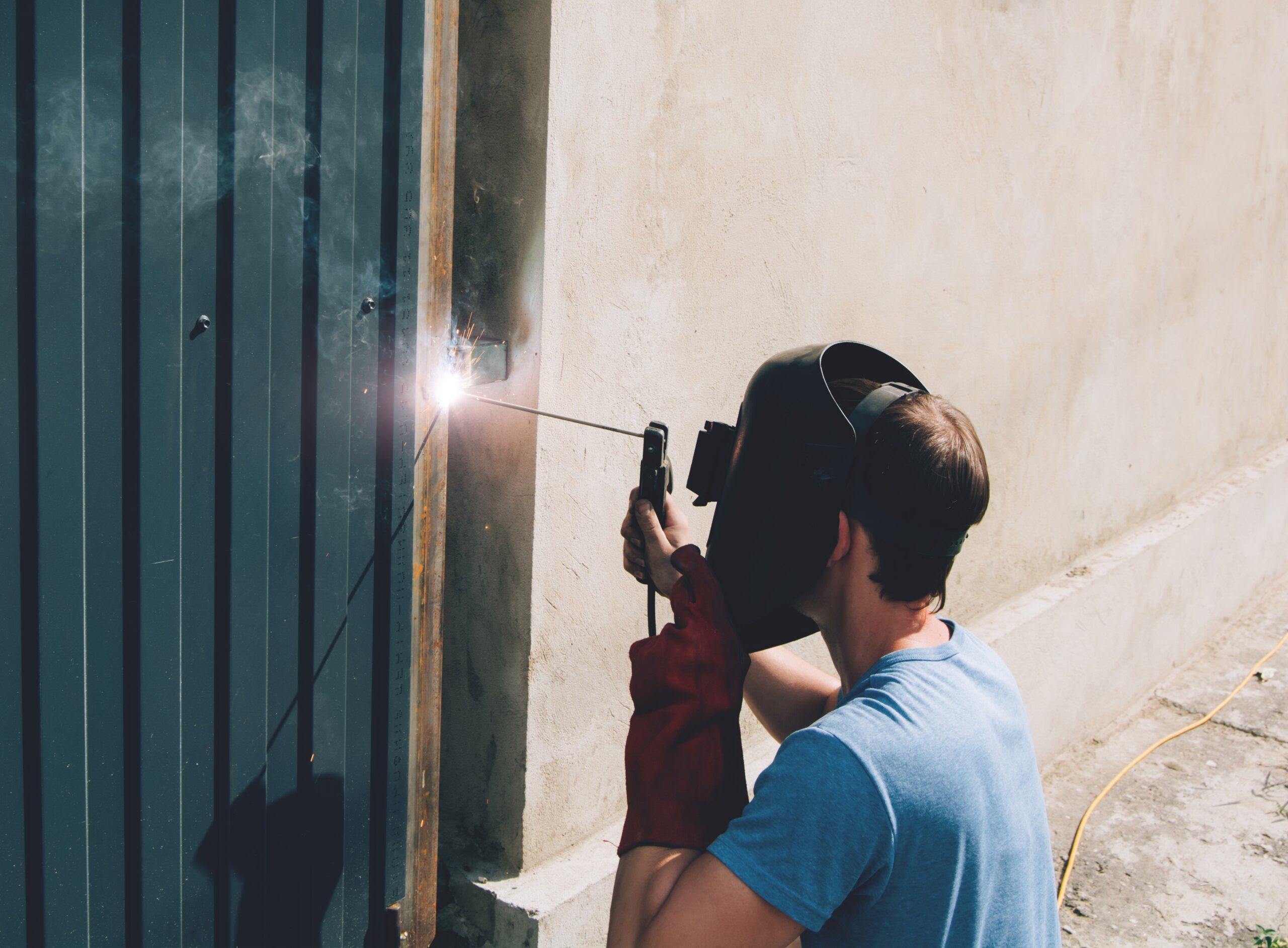
When choosing a welding school, it’s important to look beyond the classroom. While learning welding theory is essential, employers consistently value candidates who have extensive hands-on welding training. Practical experience allows students to develop the technical skills, confidence, and problem-solving abilities needed to succeed in real work environments.
Whether your goal is to work in construction, manufacturing, pipeline welding, or industrial fabrication, hands-on practice is one of the most valuable parts of any welding training program.
Welding Is a Skill Learned by Doing
Unlike many careers that rely primarily on classroom instruction, welding is a hands-on trade. Reading about welding techniques can provide a solid foundation, but becoming a skilled welder requires hours of practice using professional equipment.
Every weld you complete helps improve your:
- Hand-eye coordination
- Torch control
- Travel speed
- Weld consistency
- Precision
- Confidence
The more time you spend practicing, the more natural these skills become.
Build Confidence Before Entering the Workforce
Many students begin welding school with little or no previous experience.
Hands-on training gives beginners the opportunity to make mistakes, receive feedback, and improve in a supportive learning environment before working on actual job sites.
By graduation, students who have completed extensive shop training often feel much more comfortable operating welding equipment and performing a variety of welding tasks.
Learn to Use Professional Welding Equipment
Modern welding schools provide students with access to industry-standard equipment similar to what they will use after graduation.
During practical training, students learn how to safely operate:
- MIG welders
- TIG welders
- Stick welding machines
- Plasma cutters
- Grinders
- Metal fabrication tools
Working with professional equipment prepares students for a smoother transition into entry-level welding jobs.
Practice Multiple Welding Processes
Hands-on welding programs expose students to several different welding methods rather than focusing on just one.
Students typically gain experience with:
- MIG Welding (GMAW)
- Stick Welding (SMAW)
- TIG Welding (GTAW)
- Flux-Cored Arc Welding (FCAW)
Learning multiple welding processes makes graduates more versatile and increases their employment opportunities across different industries.
Develop Real Problem-Solving Skills
Every welding project presents unique challenges.
During hands-on training, students learn how to identify problems and make adjustments while working.
Examples include:
- Correcting poor weld penetration
- Adjusting machine settings
- Preparing different types of metal
- Selecting the correct filler material
- Troubleshooting equipment issues
These experiences build confidence and prepare students for real workplace situations where problem-solving is an everyday responsibility.
Improve Weld Quality Through Repetition
Professional welders understand that consistency comes from practice.
The more time students spend welding, the better they become at producing clean, strong, and visually appealing welds.
Regular practice helps improve:
- Bead appearance
- Weld penetration
- Joint preparation
- Heat control
- Overall craftsmanship
Employers appreciate graduates who already demonstrate strong welding fundamentals.
Learn Industry Safety Procedures
Hands-on training reinforces safe work habits in ways that classroom instruction alone cannot.
Students learn how to safely handle:
- High-temperature equipment
- Compressed gas cylinders
- Electrical welding systems
- Grinding tools
- Metal cutting equipment
Practicing proper safety procedures every day helps students develop habits that protect both themselves and their coworkers throughout their careers.
Understand Real Workplace Expectations
Hands-on welding training closely mirrors what students will experience on actual job sites.
Students become familiar with:
- Reading blueprints
- Following project specifications
- Meeting quality standards
- Working efficiently
- Managing time effectively
- Completing welding inspections
This practical experience helps reduce the learning curve after graduation.
Prepare for Welding Certification Tests
Many welding certification exams require students to demonstrate their skills through practical welding tests.
Hands-on training provides repeated opportunities to practice the exact techniques and procedures needed to pass certification exams with confidence.
Students who spend significant time in the welding shop are often better prepared for both certification testing and future employment.
Gain an Advantage During Job Interviews
Employers frequently ask candidates about their practical welding experience.
Graduates who have completed extensive hands-on welding training can confidently discuss:
- Welding projects completed during school
- Welding processes they’ve mastered
- Materials they’ve worked with
- Equipment they’ve operated
- Safety procedures they’ve followed
Real experience helps employers feel more confident when hiring entry-level welders.
Choose a Welding School That Prioritizes Practical Training
Not every welding school offers the same amount of shop experience.
When comparing welding programs, look for schools that provide:
- Daily hands-on welding practice
- Small instructor-to-student ratios
- Modern welding equipment
- Multiple welding certifications
- Real-world fabrication projects
- Experienced welding instructors
- Career placement assistance
A comprehensive training program should balance classroom instruction with extensive practical experience.
Build a Strong Foundation for Your Welding Career
Hands-on welding training is one of the most valuable investments you can make in your future. While classroom instruction teaches important concepts, practical experience develops the confidence and technical ability employers expect from today’s welders.
By choosing a welding school that emphasizes real-world training, you’ll graduate prepared to earn welding certifications, succeed in job interviews, and begin a rewarding career in the growing welding industry.