
If you’re researching welding school, you’ve probably already encountered terms like MIG, TIG, Stick, GMAW, GTAW, and SMAW.
At first, it can sound like six different things.
It isn’t.
MIG is commonly used to describe Gas Metal Arc Welding (GMAW), TIG refers to Gas Tungsten Arc Welding (GTAW), and Stick welding refers to Shielded Metal Arc Welding (SMAW). The American Welding Society recognizes GMAW and GTAW as the technical process names commonly called MIG and TIG.
Each process works differently and develops different skills.
What Is MIG Welding?
MIG welding uses a continuously fed wire electrode that travels through the welding gun into the weld pool. Shielding gas protects the weld from atmospheric contamination.
Its technical name is Gas Metal Arc Welding, or GMAW.
Because the wire feeds continuously, MIG can allow a student to focus on torch movement, travel speed, positioning, and machine settings without manually feeding a separate filler rod.
MIG is widely used in fabrication and other applications, which makes it a valuable process to understand.
What Is TIG Welding?
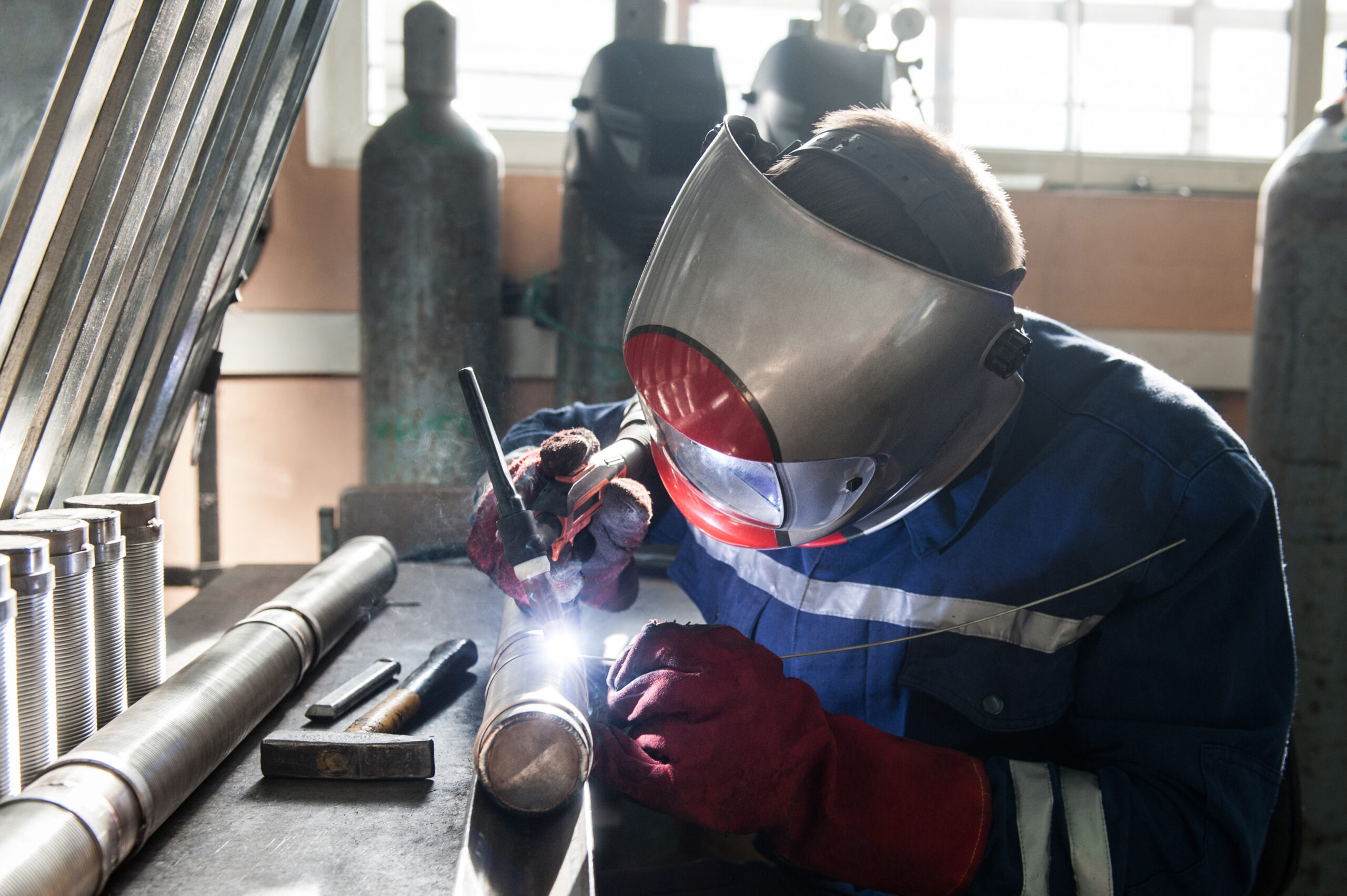
TIG—or Gas Tungsten Arc Welding (GTAW)—uses a non-consumable tungsten electrode to create the welding arc.
Unlike MIG, filler material can be introduced separately when needed. TIG places significant emphasis on coordination and control. Miller describes GTAW as a process valued for precise, clean, high-quality welds.
Sun City offers dedicated Pipe GTAW training for students interested in developing TIG skills for pipe applications.
What Is Stick Welding?
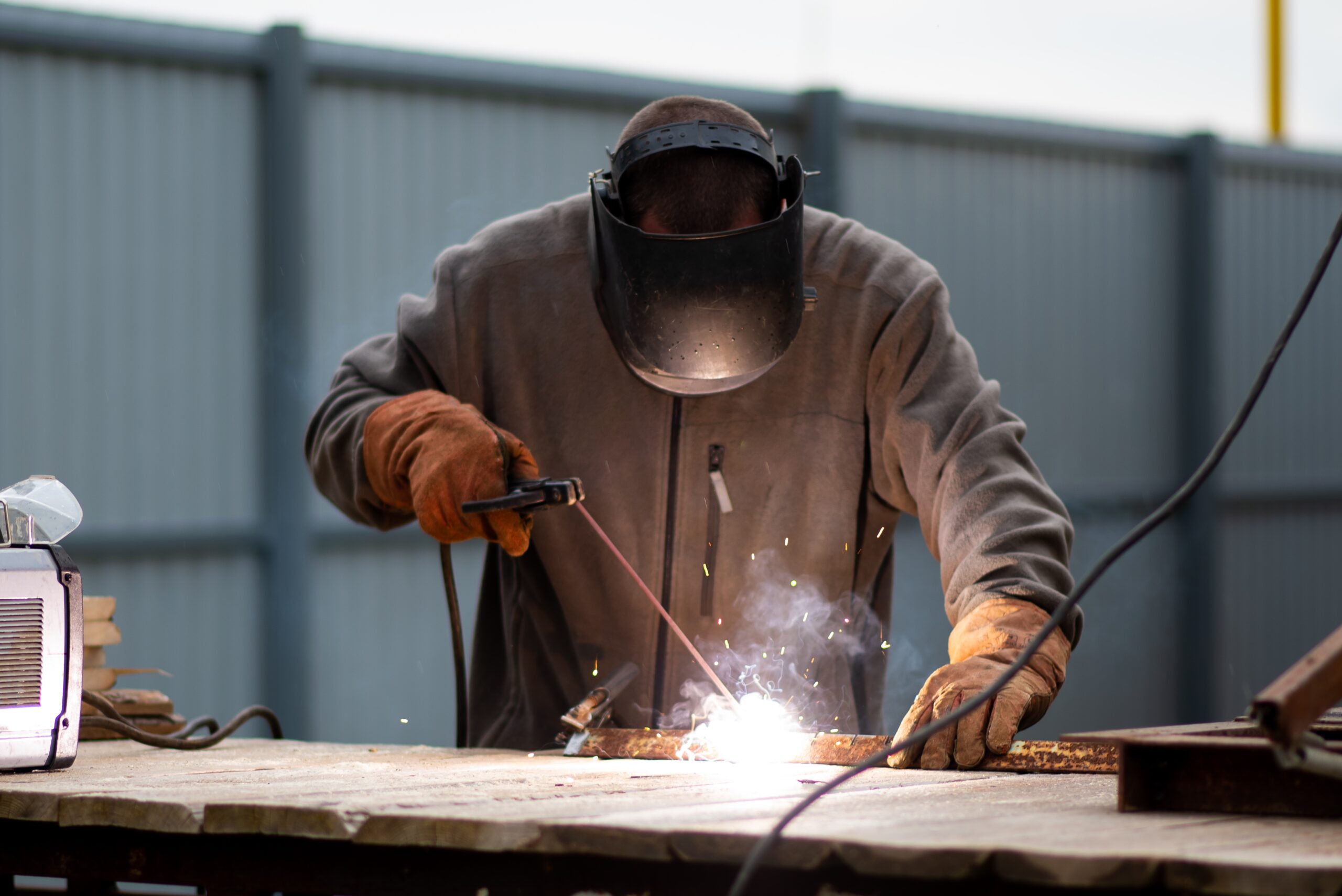
Stick welding is the common name for Shielded Metal Arc Welding (SMAW).
It’s an important process in structural and pipe applications, and Sun City uses SMAW throughout several of its programs, including Plate SMAW, Pipe SMAW, Plate-Pipe SMAW, and advanced pipeline fabrication.
Students learning Stick welding also need to develop their skills in different welding positions rather than becoming comfortable only on a flat plate.
MIG vs. TIG vs. Stick: Which Is Best?
There isn’t one universally “best” welding process.
Different jobs may require different materials, procedures, positions, codes, equipment, and welding processes.
That’s also why professional welding training frequently exposes students to more than one technique.
Sun City’s Combo Welder 480, for example, includes training in:
SMAW / Stick
GTAW / TIG
GMAW / MIG
Flux Core
The program provides 480 hours of training over 24 weeks.
Which Welding Process Should Beginners Learn?
Your starting point should depend on your career goal.
If you simply want an introduction to the trade, starting with foundational welding skills can help you understand safety, equipment, metal preparation, and basic technique before specializing.
If you already know that you want pipe work, structural welding, or advanced combination welding, a more specialized path may make sense.
The goal isn’t necessarily to decide that MIG is “better” than TIG or Stick.
The goal is to become capable of using the right welding process for the work in front of you.
Learn MIG, TIG, Stick and More in El Paso
Sun City Welding Academy provides hands-on training in multiple welding processes, from introductory skills through specialized pipe and combination welding.
If you’re unsure which type of welding fits your career goals, schedule a campus tour and see the equipment and training environment before choosing your program.