
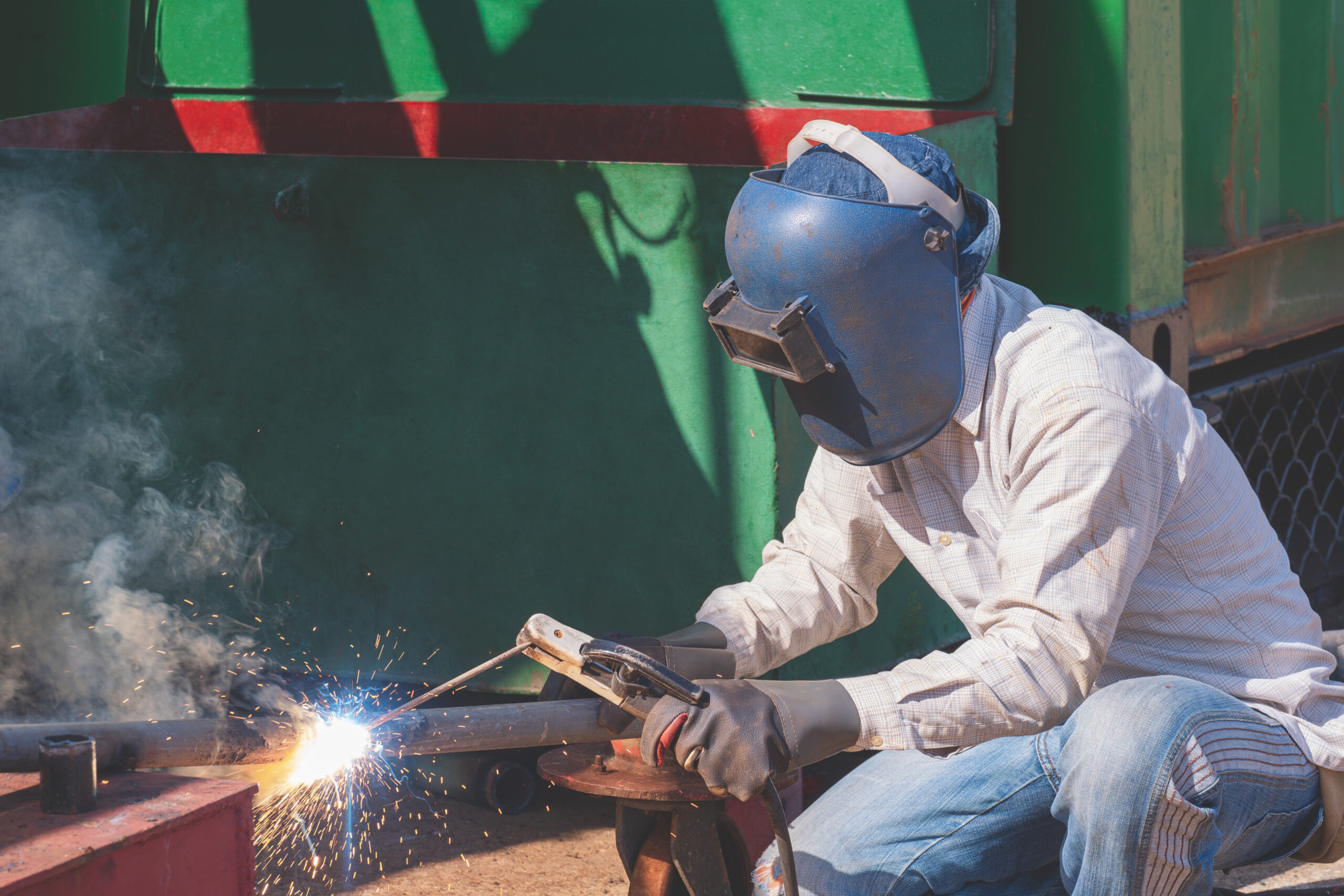
Starting a career in welding is an exciting opportunity, especially in a state like Texas where skilled welders are in high demand. While earning a welding certification is an important first step, employers often look beyond certifications when hiring entry-level welders.
Today’s welding companies want candidates who combine technical knowledge with strong work habits, safety awareness, and a willingness to learn. Understanding what employers value most can help you stand out during the hiring process and build a successful long-term career.
Strong Welding Fundamentals
Before anything else, employers expect entry-level welders to have a solid understanding of basic welding techniques. Graduates should feel comfortable performing common welding processes while following proper procedures.
Foundational skills include:
- MIG welding (GMAW)
- Stick welding (SMAW)
- Basic TIG welding (GTAW)
- Proper weld positioning
- Joint preparation
- Metal cutting and grinding
- Equipment setup
Even if you’re still developing your skills, showing confidence in the fundamentals demonstrates that you’re ready to continue learning on the job.
Safety Awareness
Safety is one of the most important qualities employers seek in new welders.
Working with high temperatures, electricity, sparks, and heavy equipment requires constant attention to workplace safety. Employers want welders who understand how to protect themselves and those around them.
Important safety skills include:
- Wearing proper personal protective equipment (PPE)
- Following OSHA safety guidelines
- Maintaining a clean work area
- Inspecting welding equipment before use
- Understanding fire prevention procedures
A strong commitment to safety shows professionalism and responsibility.
Ability to Read Blueprints
Many entry-level welding positions require basic blueprint reading skills.
Being able to understand measurements, symbols, and fabrication drawings allows welders to complete projects accurately while reducing costly mistakes.
Most welding training programs introduce students to blueprint reading because it is a valuable skill across manufacturing, construction, and fabrication industries.
Attention to Detail
Successful welding depends on precision.
Small mistakes can affect the strength, appearance, and safety of a finished weld. Employers appreciate welders who pay close attention to every step of the welding process.
Attention to detail includes:
- Accurate measurements
- Proper weld size
- Consistent bead appearance
- Correct material preparation
- Quality inspections
Developing these habits early can significantly improve your job performance.
Mechanical Aptitude
Good welders understand how equipment and metal components work together.
Mechanical aptitude helps welders troubleshoot problems, operate machinery, and understand fabrication processes more efficiently.
Employers value candidates who enjoy working with tools and have a natural curiosity about how mechanical systems function.
Problem-Solving Skills
Every welding project presents unique challenges.
Whether adjusting equipment settings, selecting the proper welding technique, or correcting a welding defect, employers look for individuals who can think critically and solve problems without becoming overwhelmed.
Strong problem-solving abilities often improve with hands-on experience and practical training.
Reliability and Professionalism
Technical skills are important, but employers also value dependable employees.
Showing up on time, maintaining a positive attitude, and being willing to learn can make a lasting impression during your first welding job.
Professional qualities employers appreciate include:
- Strong work ethic
- Dependability
- Teamwork
- Respect for supervisors and coworkers
- Good communication skills
- Willingness to accept feedback
Many employers are happy to train motivated employees who demonstrate these qualities.
Physical Stamina
Welding can be physically demanding.
Entry-level welders often spend long hours standing, lifting materials, bending, climbing, or working in challenging environments.
Being physically prepared allows new welders to perform safely and efficiently throughout the workday.
Hands-On Experience
One of the biggest advantages a candidate can have is practical welding experience.
Employers often prefer graduates who have completed extensive hands-on welding training because they can transition into the workplace more quickly.
A quality welding school provides opportunities to practice welding on real equipment while simulating the conditions students will encounter in the field.
Industry Certifications
Although experience matters, welding certifications help validate your skills.
Many employers actively seek candidates who have completed recognized welding certification programs because they demonstrate technical competency and dedication to the profession.
Additional certifications earned later in your career can lead to higher-paying positions and greater job opportunities.
Continuous Learning
The welding industry continues to evolve with new equipment, materials, and fabrication techniques.
Employers value welders who are committed to improving their skills through ongoing education, advanced certifications, and hands-on experience.
A willingness to learn often leads to career advancement and specialized welding opportunities.
Preparing for Your First Welding Job
The best way to develop the skills employers want is by enrolling in a comprehensive welding training program. Quality welding schools combine classroom instruction with extensive hands-on practice, helping students build confidence before entering the workforce.
Through professional welding training, students gain experience with multiple welding processes, industry-standard equipment, safety procedures, blueprint reading, and welding certifications that prepare them for entry-level positions.
Build the Skills Employers Want
Employers hiring entry-level welders are looking for much more than technical ability. They want dependable professionals who prioritize safety, communicate effectively, solve problems, and continuously improve their craft.
By attending a reputable welding school and developing both technical and workplace skills, you’ll be well prepared to begin a rewarding welding career in Texas and stand out in today’s competitive job market.